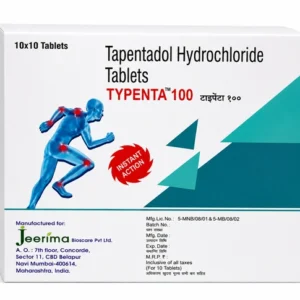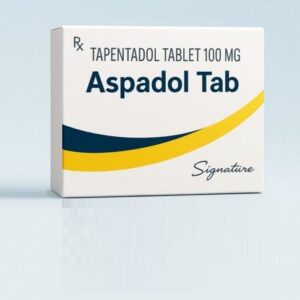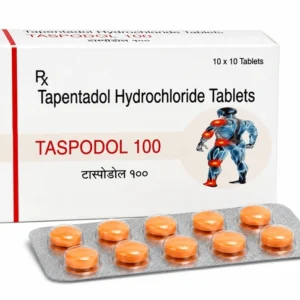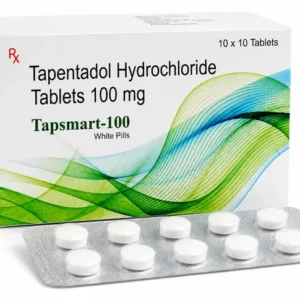
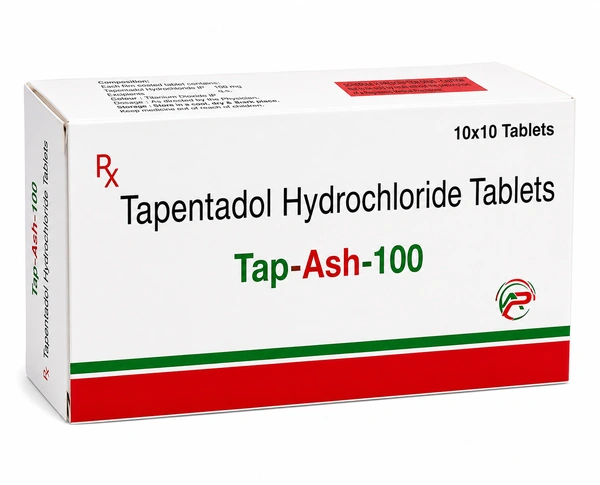
What is Tap-Ash 100 mg?
Tapentadol is the active ingredient in Tap-Ash 100 mg, a tablet put forward for use when pain is of such severity that an opioid is called for and other remedies have proven ineffective or are not well tolerated. In Australia, this is a recognised strength for immediate-release tapentadol; the prescribing information here covers 50mg, 75mg and 100mg variants.
Determining the proper dose is more than a matter of gauging the intensity of the pain, given the medicine’s impact on breathing and alertness. A doctor will take into account how the body reacts as well as one’s medical history, any other medications being taken and what has been tried for pain in the past.
Uses
Tapentadol is used for the short-term management of severe pain. It may be prescribed when:
- Pain is severe and needs stronger relief
- Non-opioid pain medicines are not enough
- Other pain treatments cannot be used or are not tolerated
- A doctor believes an opioid is appropriate for the individual’s situation
Opioid treatment is not suitable for every type of pain, so your doctor should assess the cause and severity before prescribing it.
How Does It Work?
Tapentadol primarily causes changes in the central nervous system and has two effects mainly.
One of the ways it works is by stimulating mu-opioid receptors, resulting in decreased pain perception via altered pain signal transmission and processing. Tapentadol also has an influence on noradrenaline reuptake, and therefore, contributes to its analgesic activity.
Due to the way it affects the brain and nerves, some common side effects can be drowsiness, vertigo, slower reaction time and difficult breathing. This is another reason the medicine needs to be prescribed with great care and regular monitoring by a medical practitioner.
Dosage and How to Use
You should only use Tap-Ash 100 mg medication when it is necessary for pain and under the guidance of your doctor. The suitable quantity to be used is determined by the level of pain, whether you have experienced opioids before, what you are taking other medication for and also the individual reaction.
Australia’s guidelines say to tailor the amount of tapentadol released immediately to a particular patient and change it as the patient’s pain is controlled by treatment and their reactions.
- Take the medication exactly as instructed.
- Drink with a glass of water.
- Only take a prescription amount. Not exceed it.
- If the pain has not been relieved in a short time, one must not take extra pills.
- A change should not be made to the dose unless the doctor has been spoken to.
- No one should use that medicine but the one to whom it belongs.
- Missed doses should not be replaced by an additional dose. Rather, you should get the instructions from your doctor.
- Taking the medication should be avoided for more longer time than prescribed.
You should never crush or alter a Tapentadol tablet without the consent of your pharmacist or doctor.
Possible Side Effects
It may cause side effects because this medicine affects the central nervous system.
Common effects can are:
- Nausea
- Dizziness
- Sleepiness
- Headache
- Constipation
- Dry mouth
- Tiredness
- Reduced alertness
These effects can be stronger when treatment is first started or after the dose is increased.
More serious problems are possible. Slow, shallow, unusual, or stopped breathing requires urgent medical attention.
Warnings and Precautions
Make sure to share with your doctor your medical history and a list of every medicine you’re using before having any procedure.
You might require special handling in case you:
- Experience breathing difficulties or problems associated with breath during sleep
- Suffer from asthma
- Are diagnosed with liver or kidney ailment
- Have developed an aversion towards opioid medications
- A former alcoholic or addict?
- Had a brain injury or have elevated brain pressure?
- Reckon medicines cause sleepiness?
- Breastfeeding, planning to get pregnant, or already pregnant?
Tapentadol is contraindicated in individuals who exhibit significantly reduced or very shallow breathing, have intestinal problems, or are intoxicated with alcohol, sleeping pills, painkillers, or medications that affect mood and behavior. This is an example of an itemized paragraph with numbered items.
Alcohol, Driving and Other Precautions
Do not consume alcohol during the period of treatment with this drug.
In fact, taking these drugs and having a drink is like having double doses of a sedative. It not only amplifies the drowsiness effect but also raises the chance of getting really sleepy, having trouble breathing, falling into unconsciousness, coma or even dying after consuming alcohol together with this drug.
Along with that, you must not drive and use heavy machinery as soon as you know the impact of this medication on yourself because no matter how well this drug is administered, it is still likely to cause sleepiness or decrease the quickness of your reactions.
Drug Interactions
If you are also on some drugs, then these can very much increase the effect of the painkiller tapentadol. It is especially important that if you are taking drugs the activity of your brain is being inhibited or there is some effect on your breathing.
If you are using the following, please inform your doctor or a pharmacist:
- Medicines for sleep or for calming
- Benzodiazepines
- Other opioid pain medications
- Antihistamines that cause sleepiness
- Antidepressants
- Antipsychotic medications
- Gabapentin or pregabalin
- Marijuana
- Drinking alcohol
- Other prescription or non-prescription drugs
The use of opioids along with certain depressants of the central nervous system can result in extreme drowsiness, breathing difficulties, comatose state, or even death. It might be that your doctor has to make some changes in your treatment and monitor you more carefully.
Dependence and Withdrawal
Physical dependence may happen if you are taking opioid medicines regularly and even if you are following the instructions given by your doctor.
Tolerance may occur in some individuals, whereby the same dose may not give as good pain relief with repeated intake of drugs.
Do not stop treatment after regular use all of sudden unless the doctor recommends you to do so since withdrawal symptoms may follow such abrupt cessation.
If you are thinking of stopping treatment, dependence, or controlling pain, share these thoughts with your doctor. Your doctor is the best source to help you know safe reduction plans for treatment once the use has become non-necessary.
Storage
- It is advised to store the tablets in their original packs or containers.
- In absence of specific instructions on the product label, it is better to keep them at a temperature below 25°C.
- Make sure not to store medicine in places with high humidity or dampness like the bathroom.
- Medicine, including drugs, should be kept locked and out of reach of children.
- After the expiration date has passed, do not use tablets.
- You should not be giving these tablets to someone else if that person is experiencing similar pain.
- Consult the pharmacist for disposal instructions for tablets no longer being used.
Safe storage and getting rid of the medicine is more crucial when the drug is an S8 control medication in Australia such as tapentadol.
Frequently Asked Questions
Is Tap-Ash 100 mg the same as a regular painkiller?
No. It is a strong opioid analgesic and is used for severe pain when other treatment options are not suitable or have not worked well enough. It requires a prescription and careful medical supervision.
Why can Tap-Ash 100mg make me sleepy?
It acts on the central nervous system, which can reduce pain but may also slow brain activity. This can lead to sleepiness, dizziness, slower reactions, and reduced alertness.
Why should I avoid alcohol completely?
Alcohol can add to the sedative effects of an opioid. Together, they can increase the risk of severe drowsiness and dangerous breathing problems.
Can I take another tablet if my pain is still strong?
No. Do not take an additional dose unless your doctor has specifically instructed you to do so. Taking more than prescribed can increase the risk of overdose and serious breathing problems.
What happens if someone accidentally takes too much?
An overdose can cause extreme sleepiness, very slow or difficult breathing, loss of consciousness, and other life-threatening effects. Seek emergency medical help immediately if an overdose is suspected.
Can Tap-Ash become habit-forming?
Yes. Regular opioid use can lead to tolerance, dependence, and in some people, problematic use. This is why treatment should be reviewed regularly and used for the shortest appropriate period.
Can I stop taking Tap-Ash 100 suddenly?
If you have been using it regularly, do not stop suddenly without medical advice. Your doctor may gradually reduce the amount to lower the chance of withdrawal symptoms.
References
The following Australian medical and regulatory resources were referenced while preparing this content.
- Australian Commission on Safety and Quality in Health Care – PALEXIA IR Consumer Medicine Information
PALEXIA IR – Australian Medicine Information - Healthdirect – Tapentadol – Healthdirect – Tapentadol
- Healthdirect – PALEXIA IR – Healthdirect – PALEXIA IR
Medical Disclaimer
The information on this page is intended for general informational purposes only and should not be considered medical advice, diagnosis, or treatment. Tap-Ash 100 mg is presented as a tapentadol product and tapentadol is a prescription opioid medicine. It should only be used under the supervision of a qualified healthcare professional. Always consult your doctor or pharmacist before starting, stopping, or changing any medication.