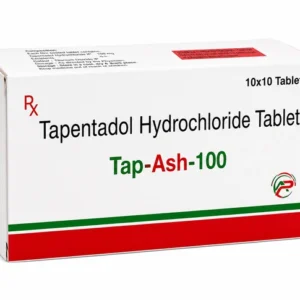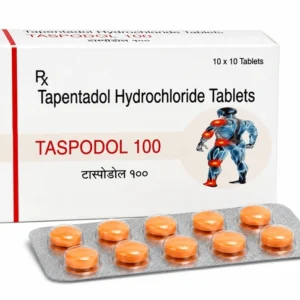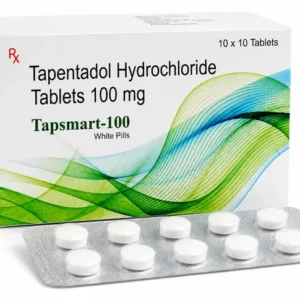
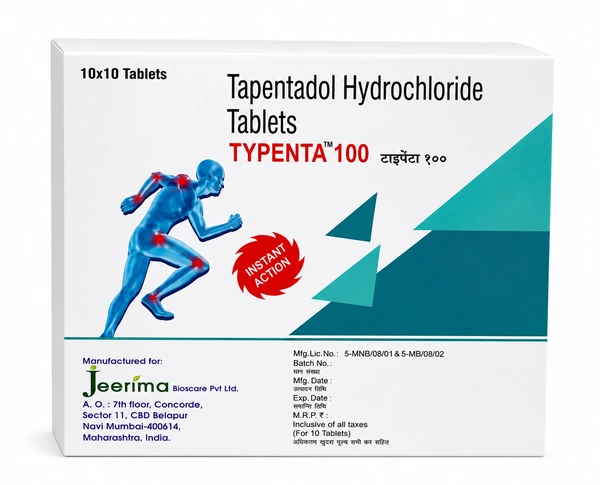
Typenta 100 mg is a pain medicine that is available only by prescription. It contains tapentadol, which is an opioid analgesic that your doctor may recommend for severe pain if other forms of treatment have not been effective, you are unable to tolerate them or they are not suitable for you.
This medicine acts on the central nervous system and in doing so, it modifies how the body reacts to pain. Meanwhile, it could influence alert levels as well, and breathing so this medicine is not something that you can self-manage, but something you should take exactly as per your healthcare professional’s orders.
Uses of Typenta 100 mg
This medicine may be prescribed when severe pain needs opioid treatment and other options are not providing enough relief.
It may be considered when:
- Other pain medicines have not worked sufficiently
- Other treatment options are not suitable
- Previous pain medicines were not tolerated
- Stronger pain relief is considered appropriate by a doctor
The aim is to provide enough pain control while keeping the dose and treatment duration as low as reasonably needed.
How Does Typenta 100 mg Work?
Tapentadol has a dual mechanism in the nervous system. On one hand, it activates mu-opioid receptors, altering the way the body interprets pain. On the other hand, it also influences the noradrenaline reuptake, a chemical messenger playing a role in pain signal processing.
Due to the mentioned two actions, the drug can help with pain, yet slow down the operations of certain nerve functions, which sometimes results in feeling sleepy, sluggish, dizziness, and unalertness of mind, that the patient experiences.
Dosage and How to Use
Take Typenta 100 mg exactly as prescribed by your doctor. Australian prescribing information says the dose should be individualised according to the severity of pain, previous treatment and the patient’s response.
For immediate-release tapentadol, the usual dosing interval is every 4 to 6 hours, although your doctor may prescribe a different amount or interval depending on your situation.
A few things are worth keeping in mind:
- Swallow the tablet whole with enough water.
- It can generally be taken with or without food.
- Follow the exact schedule given by your doctor.
- Do not take more than prescribed.
- Do not take an extra tablet because your pain feels stronger.
- Do not give your medicine to someone else.
- If you miss a dose, follow your doctor’s instructions rather than doubling the next one.
- Do not stop regular treatment suddenly without medical advice.
Your doctor may adjust the treatment if the pain remains poorly controlled or if side effects become difficult to manage.
Possible Side Effects
Some people tolerate the medicine well, while others may notice side effects, particularly when treatment starts.
Common effects can include:
- Nausea
- Constipation
- Dizziness
- Drowsiness
- Headache
- Dry mouth
- Tiredness
These effects may become less noticeable as your body adjusts, but they should still be discussed with your healthcare professional if they are persistent or troublesome.
Warnings and Precautions
Before starting treatment, tell your doctor about your health history and any medicines you currently use.
Extra care may be needed if you:
- Have asthma or another breathing condition
- Have liver or kidney problems
- Have sleep-related breathing difficulties
- Have previously had problems with opioid medicines
- Have a history of alcohol or substance dependence
- Have suffered a head injury
- Take medicines that cause drowsiness
- Are pregnant or planning to become pregnant
- Are breastfeeding
Australian product information states that this medicine should not be used in people with dangerously slow or shallow breathing, paralysis of the gut, or acute poisoning involving alcohol, sleeping medicines, other pain relievers or certain medicines affecting mood.
Alcohol, Driving and Other Precautions
Do not drink alcohol while taking this medicine.
Alcohol can make the sedative effects much stronger. Together, alcohol and opioids can increase the risk of severe drowsiness, breathing problems, loss of consciousness and other serious complications.
The medicine can also affect concentration and reaction time. Do not drive or operate machinery until you know how it affects you.
Drug Interactions
Some medicines can increase the effects of tapentadol, especially those that slow down the central nervous system.
Tell your doctor or pharmacist if you use:
- Sleeping tablets or sedatives
- Benzodiazepines
- Other opioid pain medicines
- Gabapentin or pregabalin
- Medicines for anxiety or depression
- Antipsychotic medicines
- Sedating antihistamines
- Cannabis
- Alcohol
- Other prescription or non-prescription medicines
Combining opioids with certain sedating medicines can result in severe drowsiness, breathing difficulties, coma and even death. Your doctor may need to adjust treatment or monitor you more closely.
Dependence and Withdrawal
Opioid medications can result in being physically dependent when they are consumed on a regular basis. When one regularly takes something, one’s body gets used to its presence so, when someone suddenly stops taking it, they may experience withdrawal symptoms.
If someone has stopped taking the medicine suddenly, they could go about having restless thoughts, anxiety, trouble getting or staying asleep, sweating, stomach cramps, nausea, and diarrhoea or general body aches.
When you are no longer required to take your pill, a doctor or health provider will stop reducing your dose slowly over time instead of making you stop your tablet suddenly.
Storage
- Keep the tablets in their original blister pack.
- Store below 30°C.
- Keep them in a dry place away from moisture.
- Protect them from excessive heat and direct sunlight.
- Keep the medicine out of sight and reach of children.
- Do not use tablets after the expiry date.
- Return unused or expired tablets to a pharmacy for safe disposal.
Australian product information specifically states that unused medicine should be taken to a local pharmacy for disposal.
FAQs
Why is Typenta 100 mg only available with a prescription?
Tapentadol is a strong opioid and can cause serious effects, including dependence and breathing problems. A prescription allows a healthcare professional to decide whether the medicine is appropriate and monitor its use.
Can I take Typenta 100 mg before driving to work?
It is better not to drive until you know how the medicine affects you. Drowsiness, dizziness and reduced alertness can make driving unsafe, especially when treatment is first started or the dose changes.
What if the pain does not improve enough?
Do not increase the dose yourself. Let your doctor know if the medicine is not providing enough relief. They can reassess the cause of the pain and decide whether the treatment needs to be changed.
Does taking Typenta 100 mg with food make a difference?
Immediate-release tapentadol can be taken before, during or after food. The important part is to follow the schedule given by your healthcare professional.
Why should I tell my doctor before having surgery?
Your surgeon and anaesthetist need to know about opioid treatment because it can affect sedation, pain control and breathing during and after a procedure. Australian consumer information specifically advises patients to tell their healthcare team before surgery.
Can older adults use Typenta 100mg?
Older adults may be prescribed tapentadol, but doctors may consider individual factors such as kidney function, liver function and how quickly the medicine is cleared from the body. The treatment should be adjusted when necessary.
References
The following medical and regulatory resources were referenced while preparing this content. They provide information about tapentadol, including its uses, dosage, precautions, side effects, interactions, storage and disposal.
- Australian Commission on Safety and Quality in Health Care – PALEXIA IR Consumer Medicine Information
PALEXIA IR – Australian Medicine Information - Healthdirect Australia – Tapentadol
Tapentadol – Healthdirect Australia
Medical Disclaimer
The information on this page is intended for general informational purposes only and should not be considered medical advice, diagnosis, or treatment. Typenta 100mg is presented as a tapentadol product, and tapentadol is a prescription opioid medicine. It should only be used under the supervision of a qualified healthcare professional. Always consult your doctor or pharmacist before starting, stopping, or changing any medication.