
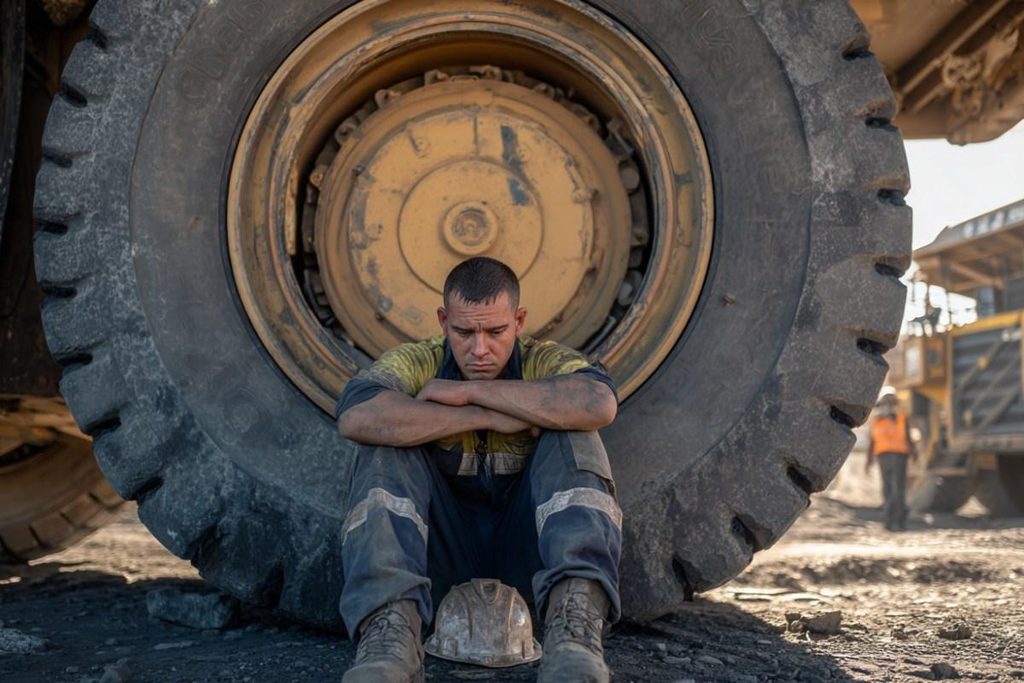
Fly-in fly-out work asks a lot of your body. Long shifts, harsh conditions, rotating rosters, and time zones or body clocks that never quite settle – it’s a genuinely tough setup for staying alert, and on a mine site or industrial job, alertness isn’t optional. Here’s a practical look at why FIFO fatigue is so intense, what actually helps, and where medical treatment fits in for those with a diagnosed sleep disorder.
Why FIFO Rosters Are So Hard on the Body
A few things stack up against FIFO workers specifically:
- Long shifts, often 12 hours, leave less margin for error as fatigue builds through the day
- Rotating schedules, swinging between day and night shifts every few weeks, repeatedly disrupt the body’s sleep-wake rhythm
- Harsh environments – heat, noise, physically demanding work – add to overall fatigue load
- Limited downtime on-site makes proper recovery harder to fit in
- Time away from normal routines and family adds a mental and emotional load on top of the physical one
Fatigue on-site isn’t just about feeling tired – it directly affects reaction time, judgement, and attention to detail, which matters enormously when heavy machinery, long-distance driving, and high-pressure tasks are part of the job.
Fatigue Is a Recognised Safety Risk, Not Just an Inconvenience
Mining and resources fatigue isn’t managed informally – it’s a recognised risk under work health and safety obligations, and most sites operate under formal fatigue management plans covering rostering limits, mandatory rest periods, and reporting requirements. If fatigue is affecting your ability to work safely, that’s something to raise through your site’s fatigue management or safety reporting process, not something to just push through quietly.
It’s also worth acknowledging the mental health side of FIFO work. Research from Curtin University has found a notable proportion of WA mining workers report high psychological distress and burnout – a separate issue to physical fatigue, but one that compounds it. If you’re feeling constantly run down, it’s worth considering whether it’s purely physical fatigue or something broader worth discussing with a GP or your site’s support services.
Practical Strategies That Actually Help
Protect your sleep opportunity, especially around swing changes. The days transitioning between day and night shift are the hardest on your body clock. Where possible, gradually shift your sleep timing in the days before a swing change rather than flipping all at once.
Use light strategically. Bright light when you need to be alert, and minimising light exposure (blackout curtains, sunglasses on the way to bed after a night shift) when you need to sleep, both help your body clock adjust faster.
Keep hydration and meals consistent. Camp food can be inconsistent, but skipping meals or relying on heavy, greasy options tends to make the mid-shift slump worse. Regular, balanced meals and steady water intake do more for sustained energy than they get credit for.
Time caffeine deliberately. Early in a shift works better than spacing it out all day, and cutting it off several hours before you plan to sleep protects your recovery sleep.
Build in short movement breaks where the job allows it. Even brief movement can meaningfully cut through drowsiness during long stretches of repetitive or monitoring-heavy tasks.
Stay consistent on your days off, where you can. Bouncing between a work sleep schedule and a completely different one at home makes it harder for your body to find any stable rhythm at all.
Use your site’s support services. Many operations have EAP or wellbeing programs – these exist because fatigue and mental load are recognised parts of the job, not signs of not coping.
Where a Sleep Disorder Might Be the Real Issue
Some FIFO workers develop or already have an underlying sleep disorder that rostering and lifestyle strategies alone won’t fully resolve – shift work sleep disorder is a genuine, diagnosable condition, and obstructive sleep apnoea is also worth ruling out, particularly if you’re getting reasonable hours in bed but still feel excessively sleepy during the day. If your fatigue feels disproportionate to your roster, or lifestyle changes aren’t making a dent, that’s worth raising with your GP.
For people diagnosed with shift work sleep disorder, doctors sometimes prescribe Modafinil as part of managing daytime sleepiness. This is a decision made with your doctor, based on your specific diagnosis and roster – not something to start informally or adjust shift-to-shift based on how you’re feeling. It also isn’t a substitute for the fatigue management strategies above; it supports alertness for people with a genuine medical need, alongside proper rest, not instead of it.
The Bottom Line
FIFO fatigue is real, and it deserves to be taken seriously – both through the fatigue management systems already built into most sites, and through your own habits around sleep, light, hydration, and recovery. If fatigue is persistent despite doing the right things, a conversation with your GP about whether an underlying sleep disorder is part of the picture is a reasonable next step, and treatment – including medication where appropriate – should come through that process, not informal self-management.
This article is general information only and isn’t medical advice. Always consult your GP, and follow your site’s fatigue management and safety policies.